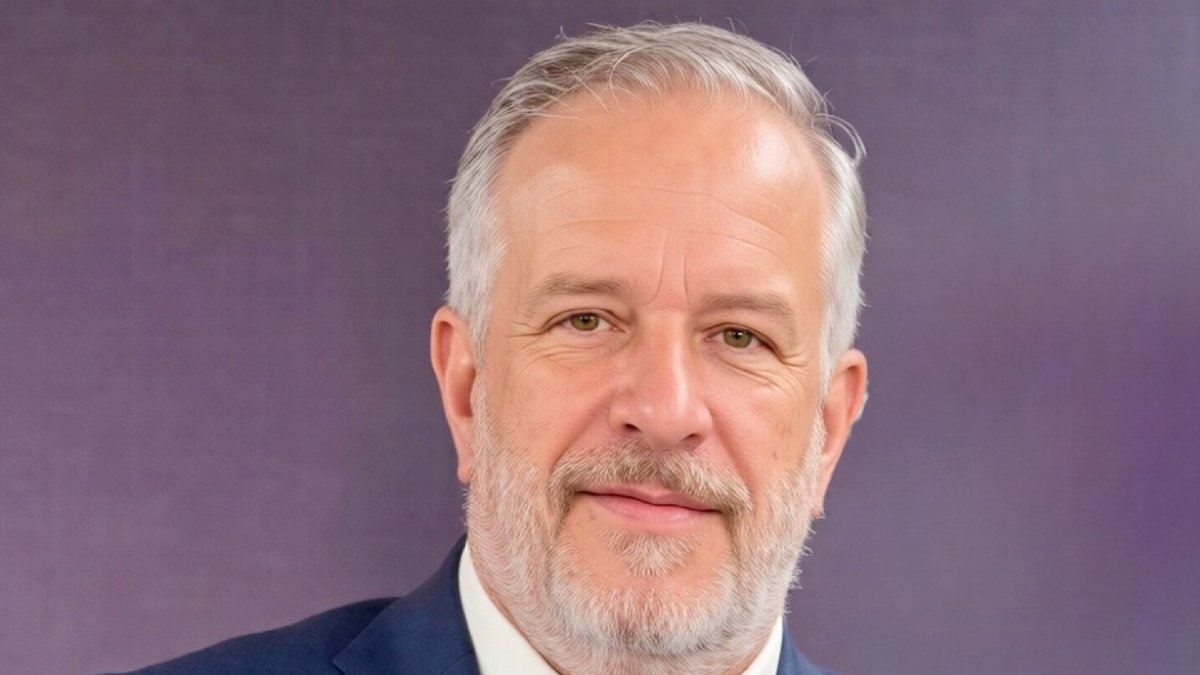
The Central Bank of Nigeria has set a deadline of 1 January 2027 for payment transaction data generated in Nigeria to be stored in the country. This move is expected to boost the demand for local cloud services in Lagos, Nigeria. TelCables Nigeria, a subsidiary of Angola Cables, is positioning itself to meet this demand. The company’s chief executive, Fernando Fernandes, recently answered questions on what Nigerian banks and fintechs are asking for in terms of cloud services.
TelCables Nigeria sells international capacity and IP transit over its own subsea cables, including SACS, WACS, and MONET. The company also offers cloud services, including virtual machines, backup, disaster recovery, and content delivery network services, through its Clouds2Africa platform. Its customers include banks, fintechs, and payment service providers, as well as Tier 1 content providers such as Netflix and Facebook.
Compliance and Route Diversity
According to Fernandes, TelCables Nigeria offers route diversity that others do not have, with its SACS cable being the only direct South Atlantic route from Africa to Latin America. The company’s local cloud is also truly local, with two live cloud nodes in Nigeria, and is compliant with Nigeria Data Protection Commission certification, plus ISO, SOC 1, and SOC 2.
TelCables Nigeria’s customers are now asking for CBN compliance, naira-priced cloud, in-country backup and disaster recovery, zero egress costs, and predictable pricing. They are investing in terabit-scale dark-fibre rings interconnecting major Lagos data centres, dual in-country nodes for backup and disaster recovery, and southbound subsea diversity to reduce cable-cut risk.
The conversation with banks and fintechs has shifted from “connect me” to “keep my data sovereign, compliant, AI-ready, and secure”. TelCables Nigeria is providing local AI infrastructure, including a new multi-model AI API, to meet this demand. They are also partnering with Paystack to handle naira wallets and provide payment infrastructure that can go cross-border from local bank accounts.
Infrastructure Investments
TelCables Nigeria is investing in deepening its footprint in Lagos, expanding points of presence beyond Lagos, and adding more local GPU capacity for sovereign AI. The company is also expanding its data-centre integrations, with access to over 1,000 data centres globally, and providing “as a service” offerings depending on client requirements.
At the recently concluded Nigeria Fintech Week, it was emphasized that fintechs must move beyond payments to become economic infrastructure for credit, insurance, and savings. Resilience is not about preventing failure, but about detecting, containing, and recovering from disruptions.
According to Fernandes, the company’s plans have not changed, but they have been accelerated, with a focus on meeting the growing demand for local cloud services and compliant infrastructure in Nigeria. TelCables Nigeria is well-positioned to meet this demand, with its extensive global network and local presence in Nigeria.
TelCables Nigeria‘s Clouds2Africa platform is currently running two live cloud nodes in Nigeria, located in the Tier III data centres of Rack Centre on the mainland and Digital Realty in Victoria Island. The company’s local cloud services are designed to meet the specific needs of Nigerian businesses, with naira billing, zero egress fees, and predictable pricing.
Future Investments
The company is also expanding its data-centre integrations, with access to over 1,000 data centres globally. Through partners such as Megaport, TelCables Nigeria can provide several “as a service” offerings depending on client requirements.
The Nigeria Fintech Week event highlighted the importance of resilience and scale in Nigeria’s fintech industry. With NIBSS Instant Payment processing over 11 billion transactions in 2024, the dependence on infrastructure is increasingly high. TelCables Nigeria’s investments in local infrastructure and compliant cloud services are expected to support the growth of Nigeria’s fintech industry and provide secure and resilient infrastructure for banks, fintechs, and payment service providers.


