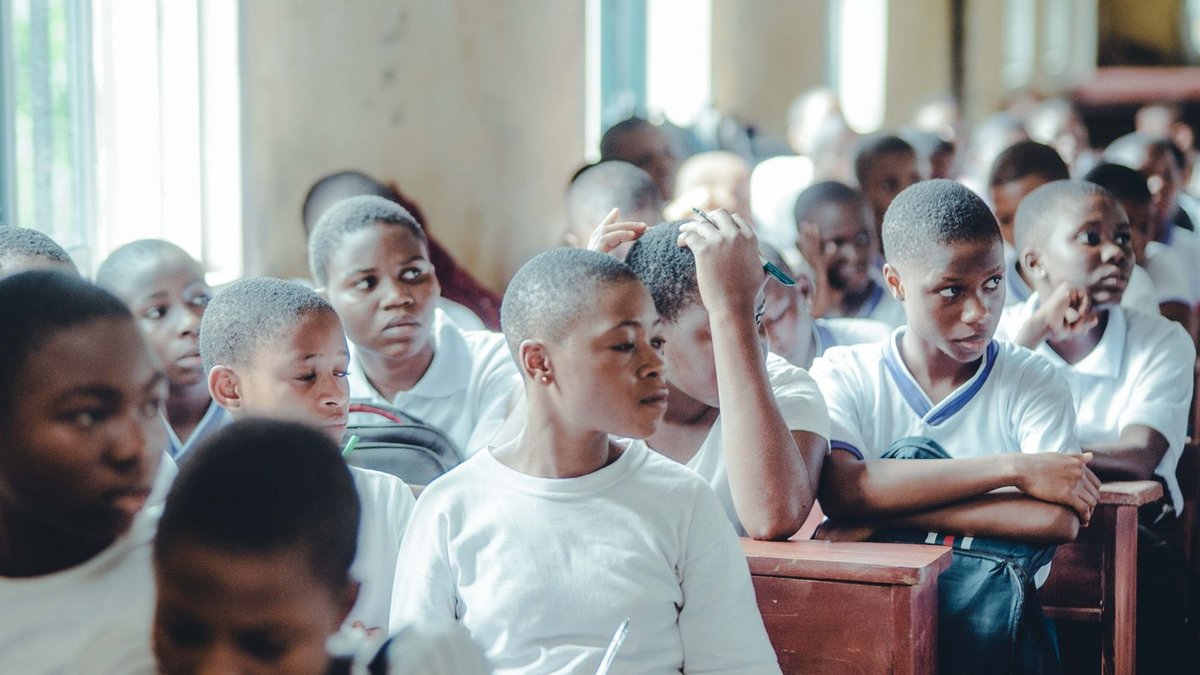
Furaha, a Ugandan platform, has helped keep 100,000 children in school by providing school-fee lending, 2 years after its launch. The company aims to reach 10 million children across Africa by 2030.
The platform does not lend its own money, instead, it partners with banks such as Diamond Trust Bank Uganda, Cairo Bank Uganda, Opportunity Bank, and FINCA Uganda to fund short-term loans. Furaha handles onboarding, identity checks, credit scoring, disbursement, and collections for these banks.
Furaha’s credit scoring system uses alternative data, including mobile money and school-fee payment records from partners like MTN, Airtel, and school-payment platforms SchoolPay, SurePay, and PegPay. This approach helps assess parents who may not have a traditional credit history.
Yustus Aribariho, a co-founder of Furaha, states that millions of parents have never been seen by traditional credit systems, not necessarily because they can’t repay, but because the data needed to assess them has not existed in one place.
Furaha’s model addresses a significant gap in African banking, where credit scoring for thin-file customers is a high priority. The company was incubated by SC Ventures and has reached a milestone of 100,000 children, but its chief executive, Dennis Musinguzi, notes that the 100,000-child milestone is an important proof point, but it is not the destination.
They are careful to emphasize that financing is just one barrier to school attendance, and it is not a solution to every cause of exclusion. Furaha cites UNESCO’s estimate that sub-Saharan Africa accounts for nearly 40% of the world’s out-of-school children.
Other investors are also backing finance built into everyday software, with Renew Capital recently selecting 15 embedded-finance startups that put financial products into the tools small businesses already use. Furaha is one example of a company that is making a positive impact in this area, and its success has the potential to be replicated in other parts of the continent.


