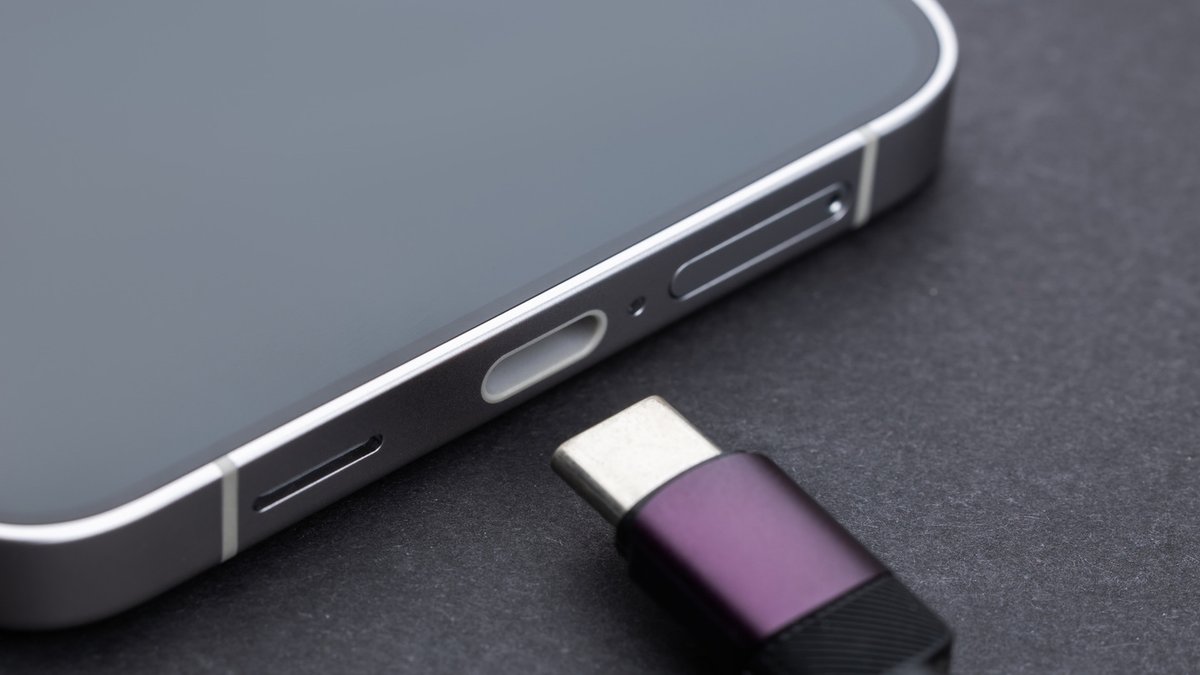
Pixel 11 Pro XL promises the fastest wired charging Google has ever put in a phone, with a advertised 45 W USB‑C connection that can push the battery to 75 % in about half an hour. The claim sounds impressive, but getting that speed isn’t as simple as plugging the device into any high‑wattage charger.
Google’s advertised charging speed vs. real‑world performance
The marketing material says the phone reaches 75 % charge in 30 minutes when paired with a compatible USB‑C PPS charger. PPS, or Programmable Power Supply, lets a phone request a precise mix of voltage and current from the charger. In theory, that flexibility should let the Pixel 11 Pro XL charge quickly without overheating.
In practice, testing found the phone needs a very specific voltage—21 V over USB Power Delivery PPS—to unlock its top speed. A charger that can’t supply that exact level falls short, even if its wattage rating is higher.
Why most 45 W or 65 W chargers fall short
When the phone was connected to Google’s own Pixel Flex 67 W charger, it managed just over 40 W of power. That charger offers the required 21 V PPS profile, so the phone could approach its advertised rate.
Related: GTA 6 preview sparks key question before release
A different 67 W PPS charger with a lower voltage range was also tested. Because it couldn’t reach the 21 V mark, the phone’s peak power stalled around 25 W. The result shows that wattage alone isn’t enough; the voltage curve matters just as much.
Many modern USB‑C chargers support PPS, but they often provide a range that doesn’t include the 21 V setting the Pixel 11 Pro XL looks for. The phone will still charge with those adapters, just not at the headline‑grabbing speed.
The phone kinda wants that exact voltage, and if you hand it a charger that can’t oblige, you’ll see slower numbers across the board.
Google no longer includes a charger in the box, so owners will need to purchase a compatible unit. Both the company’s 45 W USB‑C charger and the newer Pixel Flex 67 W charger meet the 21 V PPS requirement, making them the only reliable options for the fastest charge.
Even with the right charger, placement matters. Keeping the device in a well‑ventilated spot helps maintain low temperatures, which can prevent the charging speed from throttling as the battery warms.
Related: Reasons Why Fiber-Optic is Better
From a practical standpoint, the need for a specific voltage could limit the appeal of the fast‑charging claim. Users who already own a 45 W or higher charger may discover it won’t deliver the promised performance, prompting an extra purchase. That extra step adds cost and complexity, especially for people who value plug‑and‑play simplicity.
In testing, the Pixel 11 Pro XL hit 50 % charge in 21 minutes, reached 75 % after about 35 minutes, and completed a full charge in roughly 70 minutes. By comparison, the previous generation, the Pixel 10 Pro XL, took 23 minutes to reach 50 %, 40 minutes for 75 %, and about 80 minutes for a full charge. The newer model is a bit faster, but the margin isn’t huge.
Whether that speed boost justifies buying a dedicated charger depends on individual priorities. If you’re often on the go and need a quick top‑up, the extra wattage could be useful. For most users, the modest improvement may not outweigh the hassle of tracking down a charger that supplies the exact 21 V PPS profile.
In short, the Pixel 11 Pro XL will accept any USB‑C charger, but only a limited set can unleash its maximum wired charging speed. Without the right adapter, the phone charges at a standard rate, which many owners may find perfectly adequate.


