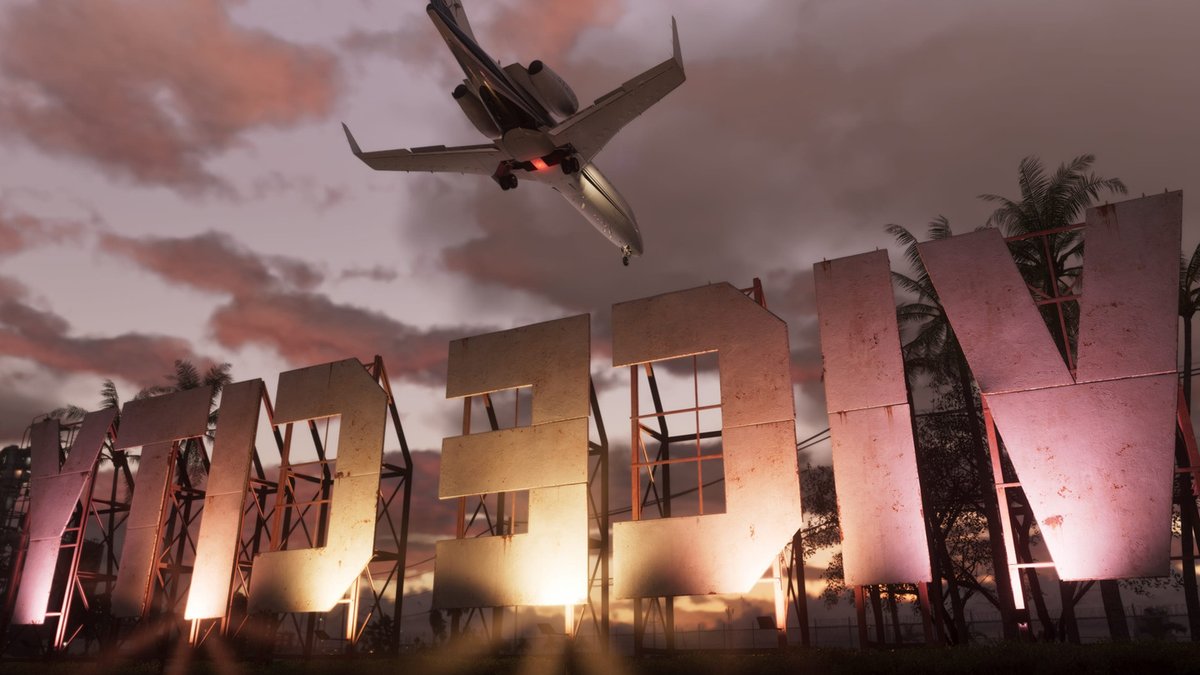
Rockstar released the first extended look at GTA 6 on Grand Theft Auto VI via a 27‑minute Netflix video that mixes gameplay, cutscenes, and promotional material.
The preview showcases sharper reflections, upgraded animations, and a denser behavioral AI system that makes the city feel busy and alive. The scale of the map is noticeably larger than previous entries, and crowds move with a realism that suggests a hefty demand on processing power.
Because Rockstar has not disclosed frame‑rate targets or other performance metrics, the biggest question for players is whether the current console generation can sustain a smooth experience. The lack of official data leaves fans speculating about possible compromises.
How the current generation stacks up
The two leading systems—PlayStation 5 and Xbox Series X/S—are still considered powerful, yet they debuted nearly six years ago. Their hardware was praised at launch, but the ambitions of GTA 6 may push them beyond what was originally envisioned.
Related: Apple Unveils Latest iPhone Models for September
Netflix notes that the footage was captured on a base version of Sony’s console, which eases concerns for owners who doubt the value of the newer Pro model after its recent price hike. Still, the visual fidelity observed could be partly due to the video’s compression pipeline.
When GTA 5 arrived on these machines, it capped at 30 FPS in native 4K. Players seeking smoother motion had to enable a performance mode that lowered resolution, or a hybrid mode that kept some ray‑tracing effects while targeting 60 FPS. The title ran without major glitches, but the ceiling was evident.
Looking at that history, it seems unlikely that the new installment will magically break those limits without sacrificing something else. The engine’s expanded world and richer AI will probably require a similar, if not higher, performance ceiling.
Comparing this to earlier releases, developers often trade raw resolution for steadier frame rates when a game’s scope grows. If Rockstar follows that pattern, they may opt for a stable 30‑frame baseline and offer an optional mode that reduces visual density for higher fluidity. That would echo the approach taken with the previous generation, albeit with more sophisticated graphics.
Related: What Are The Benefits of Managed VPS Server?
What fans might see at launch
Leaks cited by Flow Games suggest the title currently tops out at 30 FPS. While that figure could change before release, it aligns with the performance ceiling seen on the earlier title.
For many players, a 30‑frame cap will not deter purchases, especially given the game’s projected price tag of $80. The trade‑off between a living, massive world and ultra‑smooth motion is a familiar one in the industry.
During the Netflix preview, a few subtle visual glitches appeared, possibly stemming from the streaming format rather than the game itself. Those artifacts were minor, but they hint at the level of polish needed when the final build runs on consumer hardware.
As the launch window approaches, the community will be watching closely for independent benchmarks that reveal real‑world performance. Until then, the extended look remains a curated snapshot, and the true test will come when the game runs outside a controlled environment.


