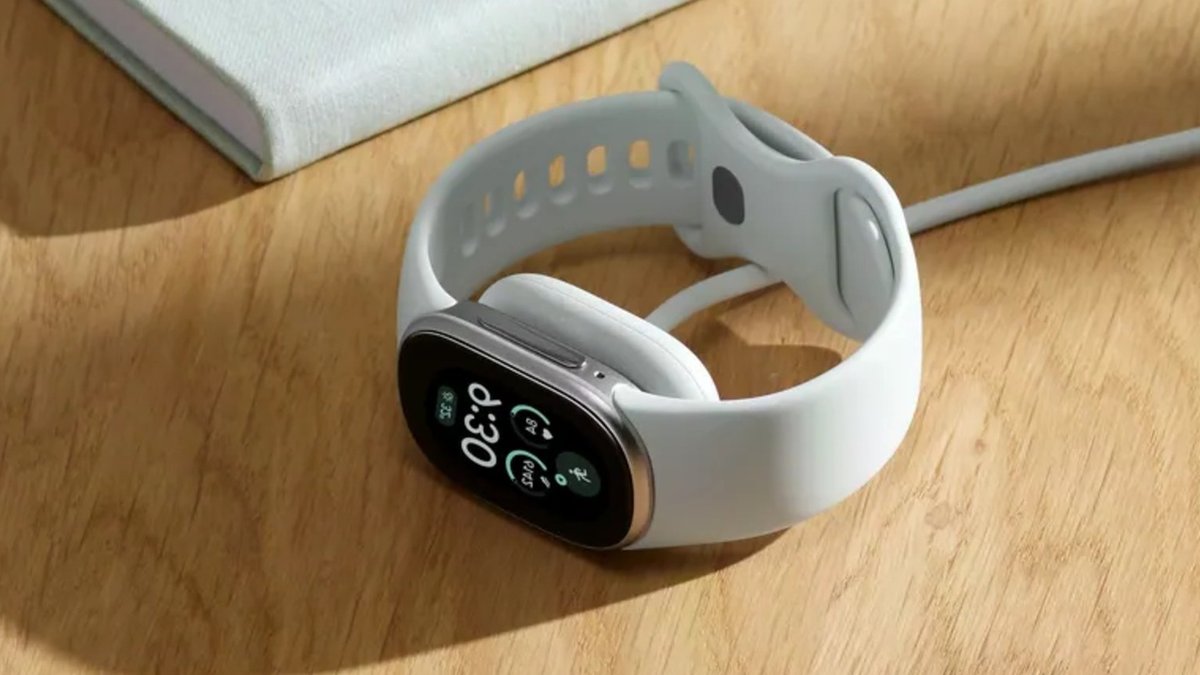
Google’s Fitbit lineup provides fitness-focused wearables tailored to different preferences, yet selecting the ideal model can be challenging. Excluding the Google Pixel Watch, the Fitbit Air and Fitbit Edge emerge as budget-friendly options—though their priorities diverge, with one emphasizing fitness tracking and the other delivering smartwatch functionality.
Launched in October 2026, the Fitbit Edge positions itself between the Fitbit Air and Pixel Watch 5, offering features like GPS and a touchscreen display. In contrast, the Fitbit Air, released earlier in May 2026, focuses primarily on monitoring fitness and overall health.
Comparing Features and Price Points
While both devices cater to budget-conscious buyers, their strengths differ. The Fitbit Edge appeals to those seeking more than basic fitness tracking, whereas the Fitbit Air is ideal for users prioritizing personalized coaching or health monitoring.
Read Also: Star Trek’s Top First Officers Beyond Spock Revealed
The Edge provides additional customization options, though some may still opt for the Air due to its price and design. Google’s Fitbit Edge features a 1.3-inch (34mm) always-on AMOLED display, enabling users to check the time, weather, real-time fitness metrics, and ‘coaching guidance’ directly on the screen.
A standout feature of the Fitbit Edge is its built-in GPS, though it lacks dual-frequency support and an NFC chip, potentially reducing accuracy compared to the Pixel Watch 5. Nonetheless, the GPS is reliable for tracking runs or bike rides, and the device includes health sensors like ECG, PPG, heart rate, skin temperature, and blood oxygen monitors.
Fitbit Air: A Screenless Option
If the Fitbit Edge is for those who want a smartwatch experience, the Fitbit Air is for those who want to avoid distractions from their health and fitness tracking. As mentioned, the Fitbit Air doesn’t include a screen, but it did get some nice updates in October 2026. Available in multiple colors and special editions, the Fitbit Air provides 24/7 health and fitness tracking, along with options for the Google Health coach.
Read Also: Marvel in talks with Jeremy Allen White for Wolverine role
One of the biggest perks of this device is that it’s built to be worn constantly, so users can make micro-adjustments to keep it comfortable on their wrist. However, the Air also has about the same battery life as the Edge, offering up to seven days of power and a 90-minute charge time. However, you’ll also get many of the same sensors found in the Edge, including heart rate monitoring and a 3-axis accelerometer.
In a CNET review, the Fitbit Air gets points for sleep tracking and comfort, though it loses points for requiring a subscription to access premium features and for its inability to detect “low-impact” workouts. With prices starting at $99.99 ($129.99 for the special editions), users may be deciding whether or not the 1.3-inch screen on the Edge is worth the extra money.
For some, the absence of a screen on the Air is acceptable, but the convenience of quickly checking time and messages is appealing. The Edge starts at $179.99, with a Stephen Curry edition priced at $219.99. Ultimately, the choice between the Fitbit Air and Edge depends on individual preferences, with the Edge offering more smartwatch features and the Air focusing on fitness and health tracking.


