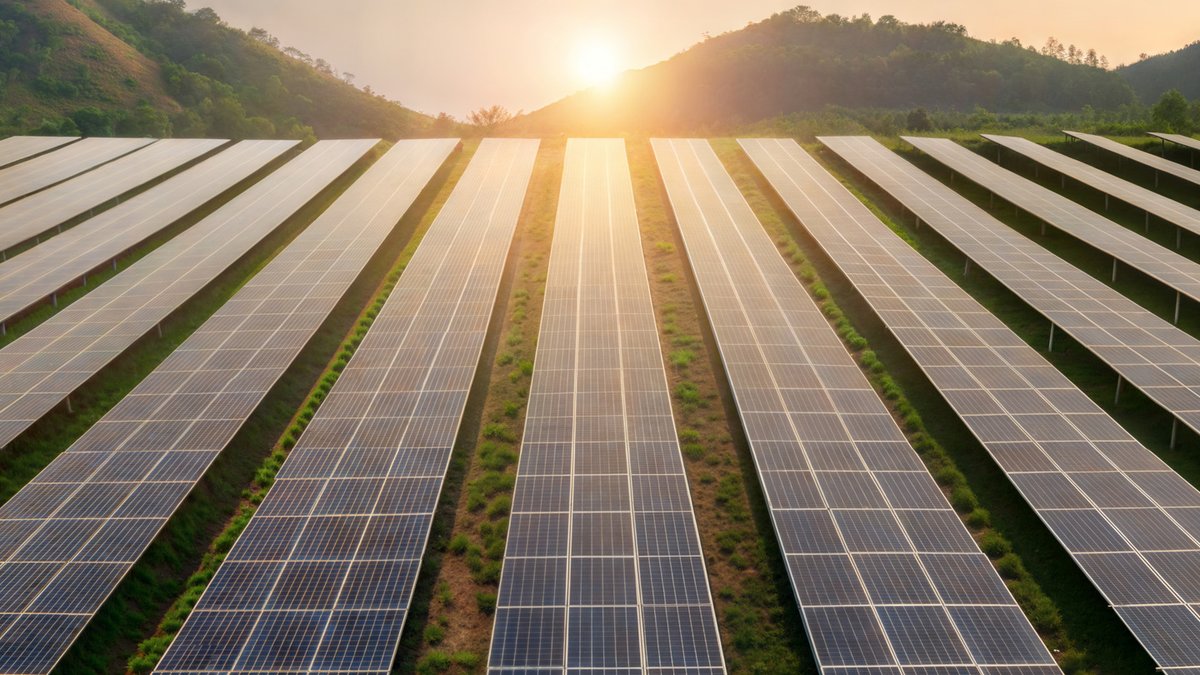
America’s solar farms face a significant threat from AI-generated misinformation. Anti-solar farm groups spread false claims about the dangers of solar panels, including toxic smoke, leaking carcinogenic chemicals, and even mini tornadoes.
These claims are often based on AI-generated content, including social media posts and memes. Many of these memes feature a sign that says “Once a state is gone, there’s no way to get it back. Solar panels belong on roofs, not on farmland” in front of a farm.
Last year, a project to install solar panels in the Acadiana region of Louisiana was derailed by citizens who parroted AI-generated misinformation during council meetings. They cited fires and toxic chemical runoff as their major concerns, leading the council to restrict large-scale solar projects within half a mile of residential areas.
The decision demolished any plans for an Acadiana solar project, with hundreds of scared people believing AI over their own research. This incident highlights the power of mob mentality and the damage that can be done by misinformation.
The issue of AI-generated misinformation is not limited to solar farms.
Wind farms, especially offshore ones, are also a target of disinformation campaigns. These campaigns often revolve around alleged threats to wildlife, stirring up claims that wind farms lead to mass deaths of whales and birds. In many cases, the disinformation is sourced back to organizations with ties to fossil fuel companies or climate change denialists.
Related: 2026 US Open Viewing Options Revealed
Similar attempts to cancel and delay wind farm projects have been found in Australia and European countries. The extent to which these movements rely on AI to help concoct disinformation and posts varies from campaign to campaign. However, it’s clear that AI plays a significant role in spreading false information and influencing public opinion.
The use of AI in generating misinformation raises complex issues. On one hand, the misinformation it creates isn’t illegal in and of itself. On the other hand, the lies AI generates can convince people to vote against their best interests.
This issue is particularly relevant in the context of renewable energy, where misinformation can have serious consequences. As the use of AI continues to grow, it’s essential to consider the potential risks and consequences of AI-generated misinformation. They must be addressed to promote the adoption of renewable energy sources.
Renewable energy sources like solar and wind power are essential for reducing greenhouse gas emissions and mitigating climate change. Solar panels can be installed on roofs, and modernizing connectivity can support the growth of renewable energy.
AI-generated misinformation continues to pose a significant threat to the adoption of these technologies. By understanding the ways in which AI is used to spread false information, they can begin to develop strategies for combating this issue and promoting a more informed public discourse.
It is essential to develop strategies to combat AI-generated misinformation.


