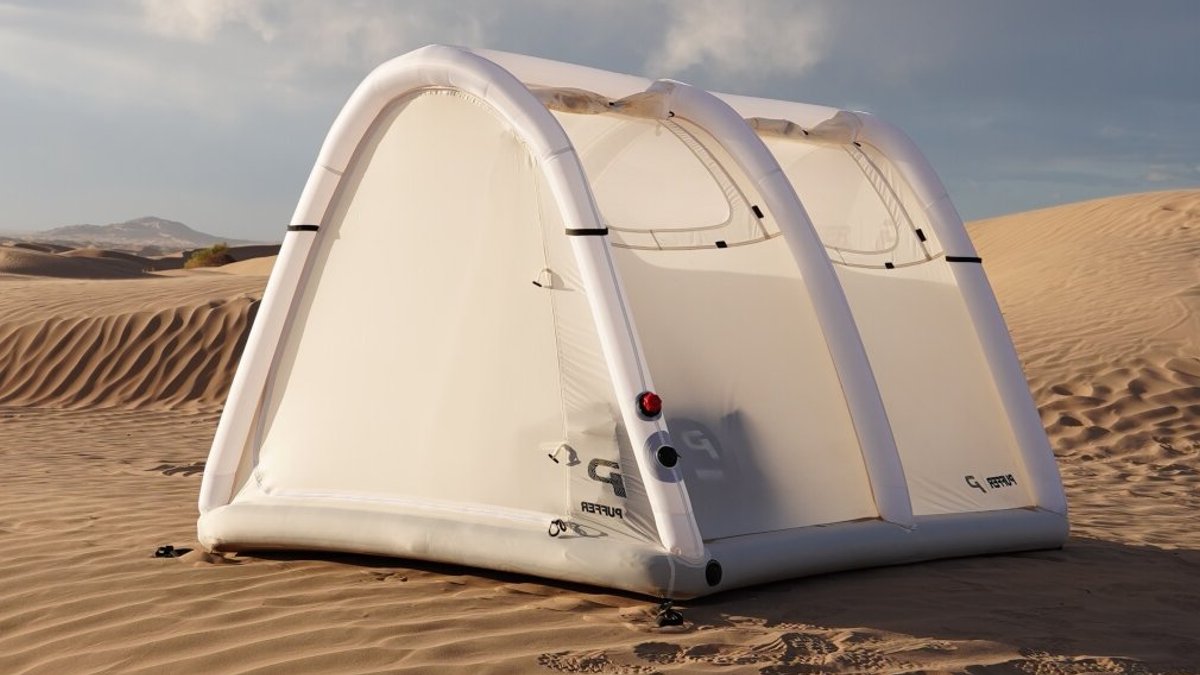
The concept of inflatable tents has been around for several years, but it’s only recently that we’ve seen a significant surge in their popularity. With advancements in technology and manufacturing, inflatable tents have become more accessible, affordable, and feature-rich. One such innovation is the Puffer tent, which combines the best of A-frame and tunnel tent designs to create a unique, convenient, and comfortable camping experience. The Puffer tent is designed to set up in minutes, thanks to its inflatable design and integrated air mattress, making it an attractive option for campers who value ease and comfort.
The Puffer tent is the brainchild of Puffer Outdoors, a company based in Utah that aims to simplify outdoor experiences and inspire people to spend more time in nature. With its debut product, the company is off to a strong start, offering a product that blends style, convenience, and comfort. The Puffer tent’s design is eye-catching, with steep sidewalls, a single roof beam, and a touch of dome-like curvature at the top of the side beams. Its three inline frame arches are reminiscent of a tunnel tent, making it a unique and intriguing option for campers. As the company continues to grow and expand its product lineup, it will be interesting to see how the Puffer tent evolves and improves over time.
Table of Contents
- What is the Puffer Tent
- History of Inflatable Tents
- Design and Architecture
- How the Puffer Tent Works
- Comparing Inflatable Tents
- Setting Up and Securing the Puffer Tent
- Practical Advice for Puffer Tent Owners
- Impact on Camping and Outdoor Activities
- Future Developments and Innovations
- Buying and Owning a Puffer Tent
What is the Puffer Tent
The Puffer tent is a innovative camping solution that combines the benefits of A-frame and tunnel tent designs. Its key features include an integrated air mattress, separate valves for the base and frame, and a unique prismatic frame that provides ample interior space. The tent’s design is both stylish and functional, with steep sidewalls and a single roof beam that creates a sense of openness and airflow. The Puffer tent is designed to be easy to set up, with a battery-powered electric pump that inflates the tent in just a few minutes. This makes it an attractive option for campers who value convenience and ease of use. The target audience for the Puffer tent appears to be outdoor enthusiasts who are looking for a comfortable and hassle-free camping experience, without sacrificing style or functionality.
History of Inflatable Tents
The evolution of inflatable tent design has been shaped by advancements in technology and manufacturing. Over the years, we’ve seen significant improvements in materials, design, and functionality, which have made inflatable tents more accessible and appealing to a wider range of campers. Some key milestones in the development of inflatable tents include:
- 2000: The first inflatable tents were introduced, but they were often heavy, cumbersome, and prone to leaks.
- 2005: Advances in materials and design led to the development of lighter, more durable inflatable tents that were easier to set up and use.
- 2010: The rise of global manufacturing and market saturation led to a proliferation of inflatable tent options, with many brands offering a wide range of styles and designs.
- 2015: The development of new materials and technologies, such as advanced fabrics and valve systems, further improved the performance and reliability of inflatable tents.
- 2020: The COVID-19 pandemic led to a surge in demand for outdoor gear, including inflatable tents, as people sought to escape urban areas and connect with nature.
Related: New Headset Makes 4K Streaming Affordable
Design and Architecture
The Puffer tent’s unique blend of A-frame and tunnel tent designs sets it apart from other inflatable tents on the market. Its curvy air arches and prismatic frame provide a sturdy structure, while the materials and construction ensure a waterproof and durable shelter. The three inline frame arches are reminiscent of a tunnel tent, allowing for a spacious interior, and the single roof beam adds to the overall stability of the tent. The steep sidewalls, similar to those found in A-frame tents, provide ample headroom and make it easy to move around inside. The use of high-quality materials, such as waterproof fabrics and robust inflatable beams, ensures that the Puffer tent can withstand various weather conditions. The design also incorporates an integrated air mattress, which provides a comfortable sleeping surface, and separate valves for the base and frame, allowing for easy inflation and deflation.
How the Puffer Tent Works
Comparing Inflatable Tents
Inflatable tents have become increasingly popular in recent years, and the market is now flooded with a wide range of options. From large, extended-stay cabins to ultralight solo packables, there’s an inflatable tent to suit every need and preference. The Puffer tent is just one example of the many innovative designs available, with its unique blend of A-frame and tunnel tent features. When comparing inflatable tents, it’s essential to consider factors such as weight, packability, and ease of setup.
| Tent Model | Weight | Packability | Setup Time |
|---|---|---|---|
| Puffer Tent | 18 lb | Compact carry bag | 2 minutes |
| Rise Airnest | 20 lb | Medium-sized carry bag | 3 minutes |
| Outdoor Master | 15 lb | Ultralight carry bag | 1.5 minutes |
| Heimplanet | 25 lb | Large carry bag | 4 minutes |
The Puffer tent’s weight and packability are comparable to other inflatable tents on the market, although its setup time is notably faster. The separate valves for the base and frame also make it easier to inflate and deflate the tent, adding to its overall convenience.
Setting Up and Securing the Puffer Tent
Setting up the Puffer tent is a relatively straightforward process, thanks to its innovative design and user-friendly features. The first step is to connect the battery-powered electric pump to the tent’s valve and turn it on, allowing the tent to inflate to the recommended pressure. While the tent is inflating, you can begin to secure it to the ground using the provided stakes and guy lines. It’s essential to make sure the tent is properly staked down to ensure stability and prevent it from being blown away in windy conditions.
Using stakes and guy lines is a critical part of securing the Puffer tent, as it helps to distribute the force of the wind and prevent the tent from being damaged. The Puffer tent comes with a set of high-quality stakes and guy lines that are designed to work seamlessly with the tent’s design. By following the manufacturer’s instructions and using the provided stakes and guy lines, you can ensure that your Puffer tent is securely set up and ready for use. The Puffer tent’s integrated air mattress and separate valves for the base and frame make it a great option for campers who want a comfortable and convenient sleeping space. The tent’s steep sidewalls and single roof beam also provide excellent protection from the elements, making it an excellent choice for camping in a variety of conditions.
In windy conditions, it’s especially important to make sure the Puffer tent is properly secured to prevent damage or instability. This can be achieved by using additional stakes and guy lines, as well as by positioning the tent in a way that minimizes its exposure to the wind. By following these tips and using the Puffer tent’s innovative design to your advantage, you can enjoy a safe and comfortable camping experience, even in challenging weather conditions. The Puffer tent’s unique design and features make it an excellent choice for campers who want a convenient, comfortable, and secure sleeping space.
Related: Google Ventures leads £11m in UK cyber firm
Practical Advice for Puffer Tent Owners
The Puffer tent’s inflatable design requires regular maintenance to ensure its longevity. Owners should inspect the tent’s seams and valves for any signs of damage or wear, and clean the tent with a soft brush and mild soap solution. When storing the tent, it’s essential to dry it completely and pack it in a cool, dry place to prevent mold and mildew. For transportation, the tent’s 18 lb weight and compact design make it easy to carry in a backpack or car. Troubleshooting common issues, such as a slow inflation rate or a leaky valve, can be done by checking the valve for blockages or consulting the user manual.
Additionally, Puffer tent owners should be aware of the potential for over-inflation, which can cause the tent’s frame to become misshapen. To avoid this, owners should follow the recommended inflation pressure and monitor the tent’s shape during setup. By following these maintenance and repair tips, Puffer tent owners can enjoy years of comfortable and convenient camping experiences.
Impact on Camping and Outdoor Activities
The introduction of inflatable tents like the Puffer has increased convenience and comfort for campers, making it easier for people to engage in outdoor activities. The Puffer tent’s inflatable design and integrated air mattress provide a comfortable sleeping space, while its easy setup and compact design make it accessible to a wider range of people. This increased accessibility can lead to more people participating in outdoor activities, such as hiking and backpacking, which can have numerous physical and mental health benefits.
The Puffer tent’s design also considers environmental factors, as it is made from durable materials that can withstand various weather conditions. However, the production and transportation of inflatable tents can have an environmental impact. To mitigate this, companies like Puffer Outdoors can focus on using sustainable materials and reducing waste in their manufacturing processes. For example, they can partner with organizations like the United States Environmental Protection Agency to develop more eco-friendly products. By prioritizing sustainability, companies can minimize the environmental impact of their products and promote more responsible outdoor recreation. The Puffer tent’s integrated air mattress, which eliminates the need for a separate sleeping pad, is a notable feature that reduces the overall weight and bulk of the tent, making it easier to transport and store.
The increased convenience and comfort provided by the Puffer tent can also lead to a greater appreciation for nature and the outdoors. As people spend more time camping and engaging in outdoor activities, they are more likely to develop a sense of stewardship for the environment and a desire to protect it. This, in turn, can lead to increased support for conservation efforts and a greater emphasis on sustainable outdoor recreation practices. The Puffer tent’s unique design, which combines elements of A-frame and tunnel tents, provides a spacious and comfortable interior, making it an ideal choice for campers who want to spend more time enjoying the outdoors.
Related: Wordsmith raises 52m to shake up law
Future Developments and Innovations
Potential advancements in inflatable tent technology are expected to further enhance the camping experience. New materials and designs are on the horizon, with manufacturers continually seeking to improve durability, water resistance, and overall performance. The use of advanced materials, such as lightweight and breathable fabrics, could lead to the development of even more portable and comfortable inflatable tents. Additionally, innovative designs, like modular or adjustable frames, may provide increased flexibility and versatility for campers. As the market continues to expand, we can expect to see a wider range of product lines and offerings, catering to diverse needs and preferences. This expansion may include specialized tents for extreme weather conditions, luxury models with advanced features, or budget-friendly options for casual campers. The inflatable tent industry is poised for significant growth, driven by consumer demand for convenient, high-quality outdoor gear.
Expanding product lines and offerings will likely be a key focus for manufacturers in the coming years. Companies may explore new markets, such as inflatable tents for glamping or disaster relief, or develop strategic partnerships to increase their reach and capabilities. By investing in research and development, manufacturers can stay ahead of the curve and address emerging trends and technologies. The future of inflatable tents looks promising, with a strong potential for innovation and growth. The Outdoor Industry Association, a leading trade organization, provides valuable resources and support for manufacturers and consumers alike, and can be visited at https://www.outdoorindustry.org.
Buying and Owning a Puffer Tent
Purchasing options and pricing for the Puffer tent are relatively straightforward, with the company offering a competitive price point for its innovative product. The tent is currently available for purchase on the Puffer Outdoors website, as well as through select outdoor retailers. Warranty and customer support are also important considerations for potential buyers, and Puffer Outdoors provides a limited warranty covering defects in materials and workmanship. The company’s customer support team is available to address any questions or concerns, and a dedicated FAQ section on the website offers helpful guidance on setup, maintenance, and troubleshooting.
Resale value and durability are key factors to consider when buying a Puffer tent. The tent’s high-quality materials and construction suggest a long lifespan, and the company’s attention to detail and commitment to customer satisfaction may help maintain its value over time. Regular maintenance, such as cleaning and storing the tent properly, can also help extend its lifespan. The Puffer tent’s unique design and integrated air mattress may appeal to buyers looking for a convenient and comfortable camping experience, and its relatively low weight and compact packed size make it easy to transport and store. With proper care and maintenance, the Puffer tent can provide years of reliable service, and its resale value may remain strong due to its innovative design and high-quality construction. The tent’s weight, at 18 lb, is a notable detail, and its packed size is compact enough to fit easily in a car trunk or camping gear storage area.
Ultimately, buying and owning a Puffer tent requires careful consideration of several factors, including price, warranty, and durability. By weighing these factors and evaluating the tent’s features and benefits, potential buyers can make an informed decision and enjoy a comfortable and convenient camping experience. The Puffer tent’s integrated air mattress and innovative design make it an attractive option for campers seeking a high-quality, easy-to-use tent, and its relatively low weight and compact packed size add to its appeal. The company’s commitment to customer satisfaction and quality construction also suggest a strong potential for long-term durability and resale value.
Frequently Asked Questions
What are the benefits of using inflatable technology in A-frame tents?
Inflatable technology in A-frame tents provides easier setup and takedown, increased durability, and improved water resistance. This innovative design also allows for more interior space and better ventilation. Overall, inflatable A-frame tents offer a more convenient and comfortable camping experience.
How do inflatable A-frame tents differ from traditional pole-based models?
Inflatable A-frame tents replace traditional poles with air-filled beams, making them more compact and lightweight when deflated. This design difference also eliminates the need for complicated pole attachments and reduces the risk of pole damage. As a result, inflatable models are often more portable and user-friendly.
Are inflatable A-frame tents more expensive than traditional models?
Inflatable A-frame tents can be more expensive than traditional pole-based models, due to the advanced technology and materials used in their construction. However, their increased durability and ease of use can make them a worthwhile investment for frequent campers. Additionally, many inflatable models come with warranties and guarantees that protect against defects and damage.
Can inflatable A-frame tents withstand harsh weather conditions?
Inflatable A-frame tents are designed to be highly durable and resistant to harsh weather conditions, including strong winds and heavy rainfall. The air-filled beams provide excellent structural support and stability, while waterproof materials and sealed seams help to keep the interior dry. However, it’s still important to follow proper setup and anchoring procedures to ensure the tent remains secure.
How do I set up and inflate an inflatable A-frame tent?
Setting up an inflatable A-frame tent typically involves laying out the tent footprint, attaching the inflation valve, and using a pump to inflate the air-filled beams. The process is often quicker and easier than traditional pole-based setup, with many models featuring simple and intuitive inflation systems. It’s also a good idea to refer to the manufacturer’s instructions for specific setup and inflation guidelines.
Can I repair an inflatable A-frame tent if it becomes damaged?
Yes, many inflatable A-frame tents can be repaired if they become damaged, using patch kits or replacement parts provided by the manufacturer. It’s also important to regularly inspect and maintain the tent to prevent damage and extend its lifespan. In the event of a puncture or tear, it’s often possible to make temporary repairs using basic camping gear and tools.
Are inflatable A-frame tents suitable for backpacking and ultralight camping?
While inflatable A-frame tents are often more compact and lightweight than traditional models, they may still be too heavy for ultralight backpacking trips. However, they can be a great option for car camping or base camping, where weight is less of a concern. Some manufacturers also offer lighter and more compact inflatable models specifically designed for backpacking and solo camping.
What should I look for when choosing an inflatable A-frame tent?
When choosing an inflatable A-frame tent, consider factors such as durability, waterproofing, and ease of setup. You should also think about the tent’s size, weight, and features, such as ventilation, storage, and insect protection. Additionally, look for models from reputable manufacturers that offer good warranties and customer support, to ensure a high-quality and reliable product.
