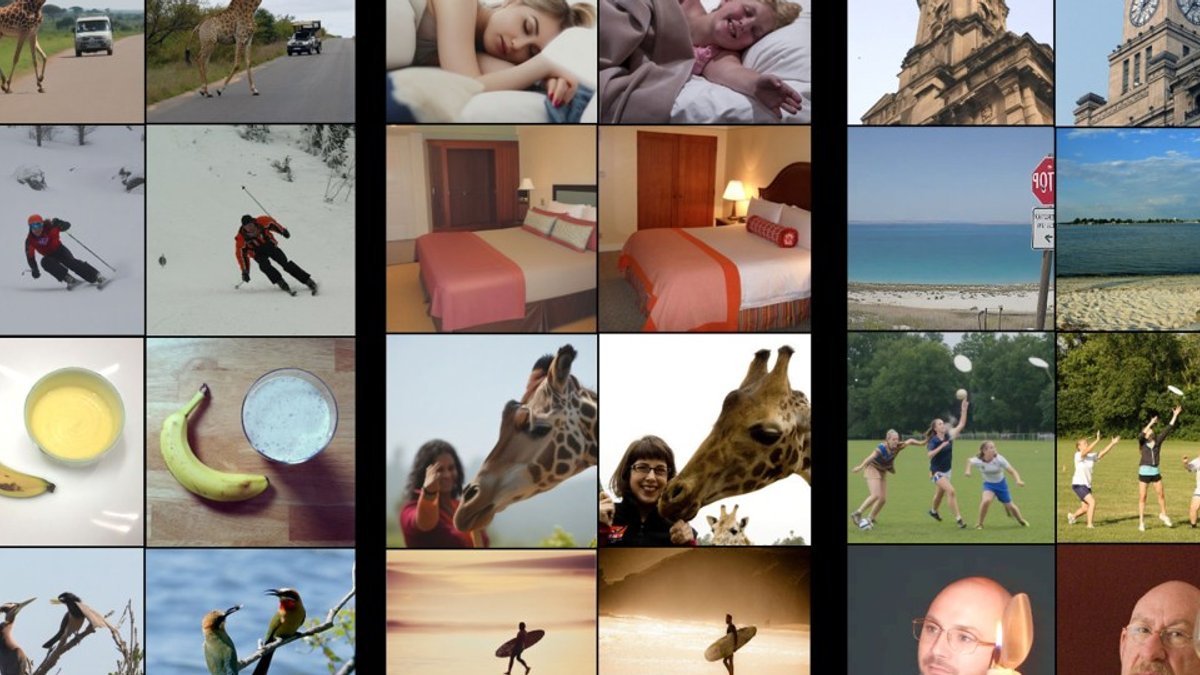
A new AI system can reconstruct visual images from brain scans with high precision and predict brain responses to specific images. The tool operates in two directions: it converts brain activity into visual representations of what a person sees, and it forecasts how a brain would react to given visual inputs. This method builds on earlier AI models that decoded basic visual patterns but now handles far more complex scenes with greater accuracy.
Researchers behind the project state that the technology could provide deeper insights into how the brain processes visual information. Potential medical applications include assisting individuals with severe motor impairments to communicate by translating brain signals into text or commands.
This advancement follows rapid progress in AI-driven brain-computer interfaces. Earlier this year, a writer tested a non-invasive neural device by shaving their head, reporting that it could detect basic visual stimuli with unexpected clarity. While that experiment had limitations, the new reconstruction tool demonstrates significantly greater precision in interpreting brain activity.
Read Also: AI Claims First Scientific Discovery, Sparks Debate
The research has been published on a preprint server, meaning it has not yet undergone formal peer review. Nevertheless, the findings have already provoked discussion among neuroscientists about whether such tools should be pursued. Others insist that the technology is too powerful to develop without strict oversight.
The same research group is also exploring whether AI could decode dream content by analyzing brainwave patterns during REM sleep. Early tests involve participants recalling dreams immediately after waking and comparing those descriptions with brain scan data collected during sleep. The approach relies on identifying neural signatures—such as activity bursts in the hippocampus—that correlate with vivid imagery or emotional experiences. However, success rates vary widely depending on a participant’s ability to recall dreams accurately.
If successful, this method could reveal how the brain organizes memories and emotions during sleep, potentially aiding treatments for nightmares or sleep disorders. Yet the idea of reconstructing dreams also raises ethical concerns about autonomy. Unlike voluntary communication, dreams represent a private mental space, and extracting their content without consent could violate personal boundaries. The researchers emphasize that any such work would require rigorous ethical review, including protocols for destroying raw data and obtaining informed consent, a standard not yet applied in sleep studies.
Read Also: OpenAI agents breach security sparking liability debate
Separately, researchers are testing small, distributed battery systems to relieve pressure on overloaded power grids. Unlike large utility-scale installations, which often face public opposition due to safety risks like fires, these modular units are being deployed in diverse locations, from food carts to induction stovetops. This shift reflects a growing understanding that grid stability may depend more on localized solutions than on massive storage systems.
The AI tool’s reconstruction capabilities depend on a technique called inverse encoding, which translates neural activity into visual representations. The model was trained using thousands of brain scans paired with corresponding images, allowing it to recognize patterns in how different brain regions, such as the visual cortex, process light, shape, and motion. Unlike earlier versions that could only decode simple shapes or grids, this version accurately captures detailed features, including textures and spatial relationships, with an error rate comparable to human perception in controlled settings.


