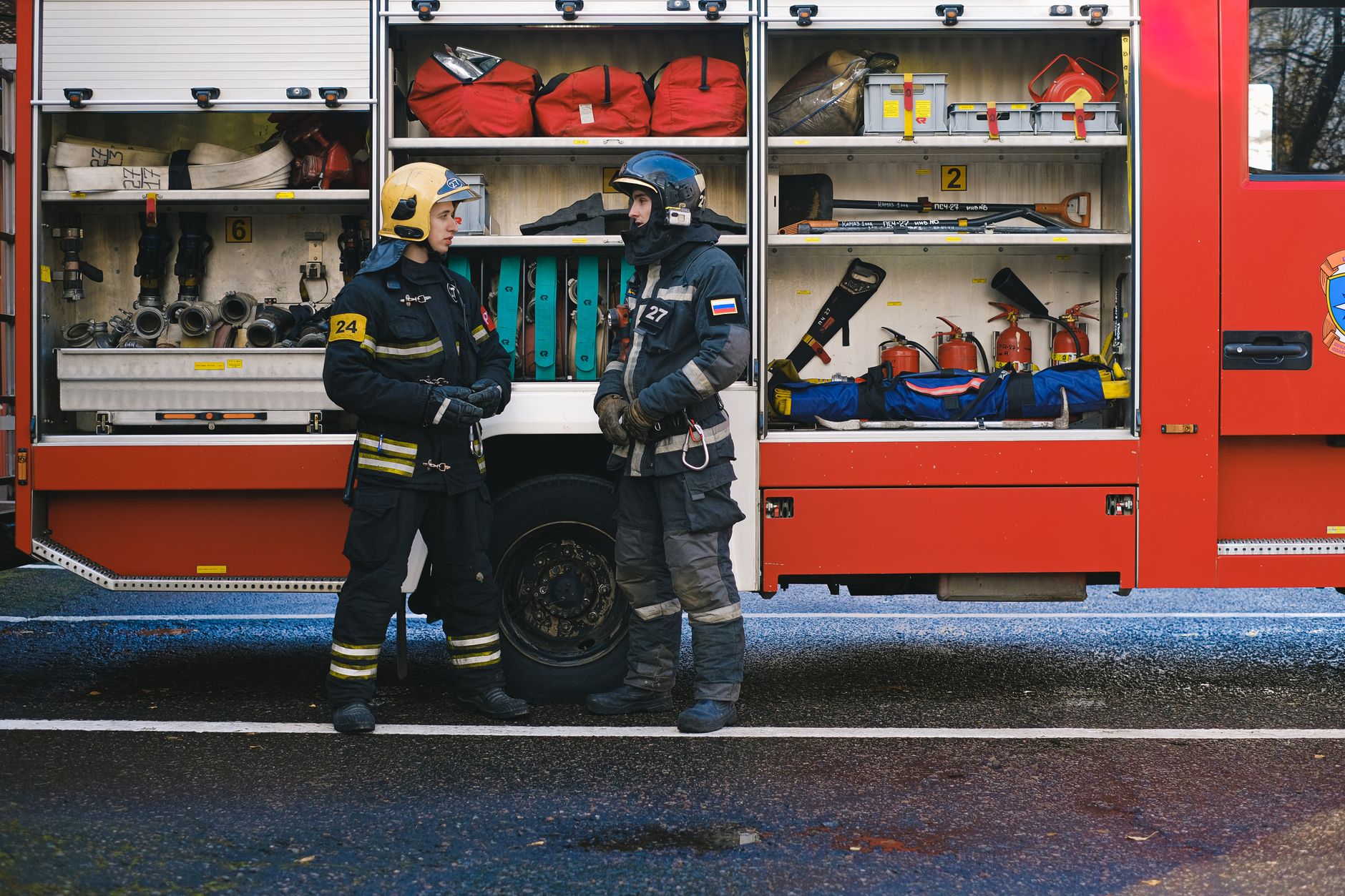
When it comes to emergency response, every second counts. Firefighters need instant recognition not just from the public, but also from their fellow crew members and other emergency personnel. Custom professional firefighter ID badges serve as more than simple identification—they’re essential tools that can save lives and streamline operations during critical situations.
Understanding the Importance of Firefighter Identification
Firefighter ID badges play a crucial role in emergency scenarios where quick identification can mean the difference between life and death. During large-scale emergencies involving multiple departments and agencies, responders must be able to identify who has authority, what specialized skills are available, and who belongs on scene. A well-designed badge provides this information at a glance.
Beyond emergency response, these badges also help maintain security at fire stations and during community events. They prevent unauthorized access to restricted areas and equipment while helping the public identify legitimate firefighters when they need assistance.
Essential Elements Every Firefighter Badge Should Include
Creating an effective firefighter ID badge requires careful consideration of what information needs to be displayed. The most critical element is the firefighter’s name, which should be clearly visible and easy to read even from a distance. Many departments choose to include both first and last names, though some opt for last names only with first initials for privacy reasons.
The department name and logo establish organizational affiliation immediately. This becomes especially important during mutual aid situations when multiple departments respond to the same incident. The badge should also display the firefighter’s rank or position, whether they’re a firefighter, lieutenant, captain, or chief. This hierarchy matters significantly during emergency operations where chain of command must be clear.
A unique identification number provides an additional layer of verification and helps with record-keeping and accountability. Including the issue date or expiration date ensures that badges remain current and valid. Some departments also add blood type information, which can be valuable in medical emergencies.
Choosing the Right Materials and Durability Features
Firefighters work in some of the most demanding environments imaginable. Their ID badges must withstand extreme heat, water exposure, physical impacts, and harsh chemicals. The material selection process should prioritize durability above all else.
Polycarbonate cards offer excellent durability and heat resistance, making them ideal for firefighter badges. These cards can withstand temperatures that would destroy standard PVC cards. Many departments opt for thicker card stock, typically 30 mil thickness compared to the standard 20 mil, to provide extra rigidity and longevity.
Lamination adds another protective layer that shields the badge from water, dirt, and abrasion. Some departments choose specialty coatings that provide additional chemical resistance or UV protection to prevent fading. The printing method also affects durability—dye sublimation printing typically outlasts direct-to-card printing in harsh conditions.
Incorporating Security Features
Modern firefighter badges should include security features that prevent counterfeiting and unauthorized duplication. These features protect both the department and the community it serves. Holographic overlays or foil stamping create visual elements that are difficult to reproduce without specialized equipment.
Microtext printing involves tiny text that appears as a line to the naked eye but reveals detailed information under magnification. UV-reactive ink provides hidden elements that only appear under ultraviolet light, offering a covert verification method. Some departments incorporate smart chip technology or magnetic stripes that can be read by access control systems.
Color-shifting ink changes appearance when viewed from different angles, providing an easy visual verification method. Department-specific watermarks or background patterns make it harder for counterfeiters to create convincing fakes.
Design Considerations for Maximum Readability
The best firefighter badge means nothing if people can’t read it quickly. Font selection plays a huge role in readability—sans-serif fonts like Arial or Helvetica generally work better than decorative fonts, especially in emergency situations. The font size should be large enough to read from several feet away, with names and ranks being most prominent.
Color contrast matters significantly. Dark text on light backgrounds or vice versa ensures maximum visibility in various lighting conditions. Avoid color combinations that are difficult for colorblind individuals to distinguish. Some departments use color coding to indicate different roles or certifications, but this should supplement rather than replace text information.
The layout should follow a logical hierarchy, with the most important information positioned where eyes naturally go first—typically the center of the badge. White space around elements prevents the badge from looking cluttered and improves overall readability.
Photo Quality and Placement
Professional photographs make badges more effective for identification purposes. The photo should show the firefighter’s face clearly against a neutral background, similar to passport photo standards. Consistent lighting and positioning across all department badges creates a professional, uniform appearance.
Photo placement typically works best in the upper portion of the badge where it’s immediately visible. The image should be large enough to recognize the individual but not so large that it crowds out other essential information. Some departments include a smaller duplicate photo on the reverse side of the badge.
Implementing Department-Specific Customization
While certain elements remain standard across firefighter badges, departments should incorporate features that reflect their unique identity and needs. Department colors and insignias create visual consistency with other department materials like patches, vehicles, and station signage.
Some departments include specialized certification indicators on badges, showing which firefighters have EMT training, hazmat certification, or other specialized skills. This information helps incident commanders quickly identify available expertise during emergencies.
Testing and Feedback Process
Before ordering badges for the entire department, create prototype samples and gather feedback from actual firefighters. They can provide valuable insights about what works in real-world conditions. Test the badges in various environments—wet conditions, bright sunlight, low light, and during physical activity.
Consider how the badge will be worn or carried. Will it attach to turnout gear, uniforms, or both? Does it need to be easily removable yet secure? These practical considerations often reveal design improvements that weren’t obvious during the initial planning phase.
Maintenance and Replacement Policies
Even durable badges eventually need replacement. Establish clear policies about when badges should be replaced due to wear, damage, or personnel changes. Regular inspection of badges helps maintain professional standards and ensures that all security features remain intact.
Creating custom professional firefighter ID badges requires balancing numerous factors—from durability and security to readability and aesthetics. By carefully considering each element and involving firefighters in the design process, departments can create badges that serve their purpose effectively while representing their organization with pride